Articles
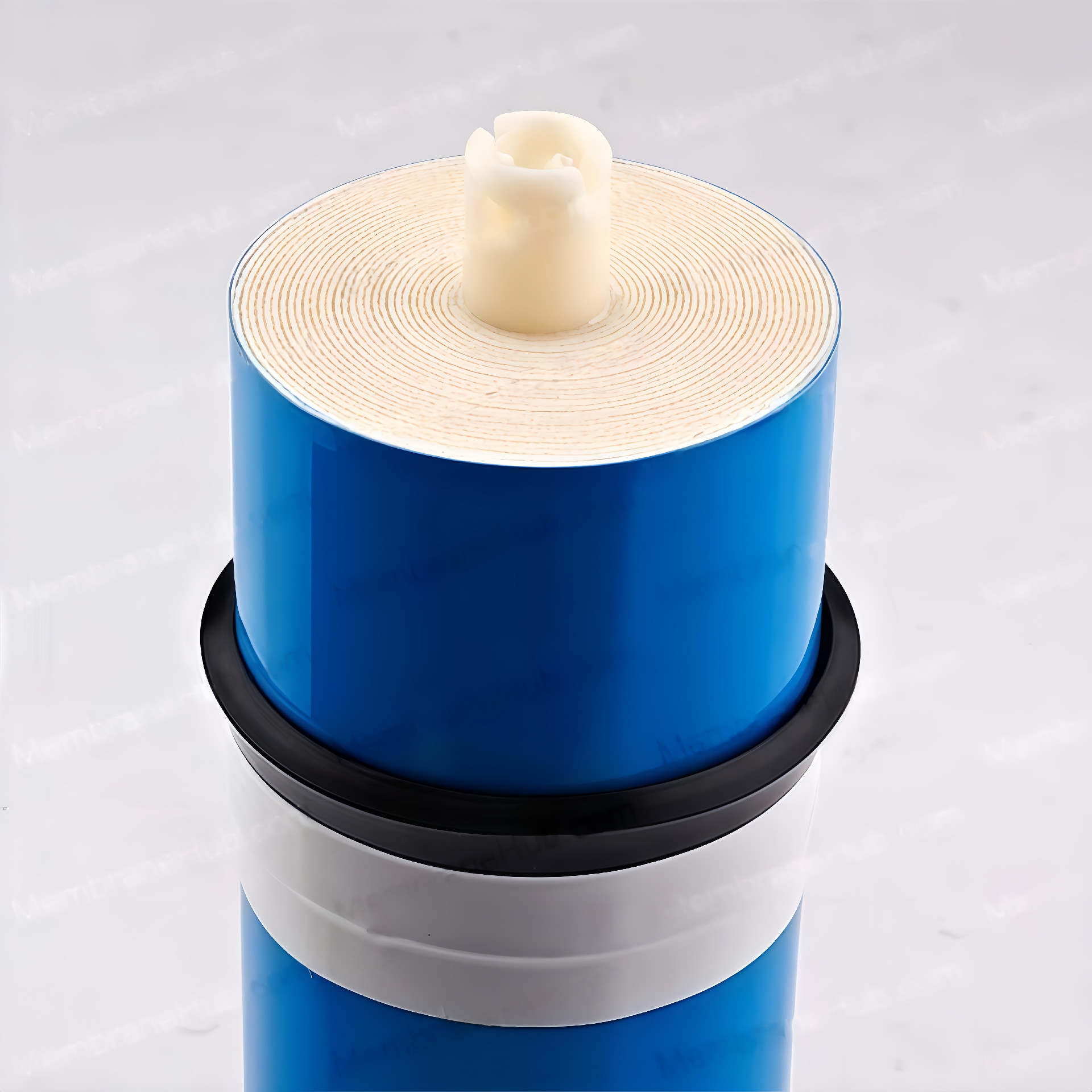
How to Choose the Right RO Membrane for Your Application: A Global Buyer’s Guide
By Poseidon MBR – Advanced Membrane Solutions for Industrial Water Treatment
In industrial water treatment, selecting the right reverse osmosis (RO) membrane is not just a technical decision—it’s a strategic one. The wrong choice can lead to fouling, low recovery rates, high energy costs, or even system failure.
At Poseidon MBR, we’ve helped clients across Singapore, Malaysia, the Middle East, and Europe optimize their RO systems with high-performance membranes tailored to real-world conditions.
This guide walks you through the 4 key factors to consider when choosing an RO membrane—so you get maximum efficiency, longevity, and ROI.
🔍 Step 1: Understand Your Feed Water Quality
The source of your feed water determines everything.
| Seawater | High salinity (35,000+ ppm TDS), scaling | SW (Seawater) RO Membrane |
| Brackish Water | Moderate salinity (1,000–10,000 ppm TDS) | BW or BWF RO Membrane |
| Municipal/Industrial Wastewater | Organics, silica, chlorine | ULP (Ultra-Low Pressure) or BWF |
| High-Fouling Applications | Oils, colloids, biofilm | BWF (Biofouling-Resistant) Membrane |
💡 Pro Tip: Always conduct a full water analysis (TDS, SDI, pH, silica, chlorine, organics) before selecting a membrane.
🧪 Step 2: Match Membrane Type to Your Needs
Poseidon offers four core RO membrane series—each engineered for specific challenges:
• ULP (Ultra-Low Pressure) – Ideal for low-energy applications; saves up to 30% on operating pressure.
• BW (Brackish Water) – Salt rejection >98%, recovery rate up to 85%.
• BWF (Brackish Water – Fouling Resistant) – Enhanced hydrophilicity; resists organic & biological fouling.
• SW (Seawater) – Designed for desalination plants; withstands 600–800 psi pressure.
🌍 Global Case: A client in Saudi Arabia reduced cleaning frequency by 60% after switching from standard BW to Poseidon BWF membranes in a textile wastewater reuse plant.
⚙️ Step 3: Consider System Design & Operating Conditions
Even the best membrane fails under poor design. Ask:
• What is your target permeate flow (m³/day)?
• What recovery rate do you need? (Typical: 50–85%)
• Will you use energy recovery devices (ERD)?
• Is chlorine present? (RO membranes are chlorine-sensitive!)
🔒 Critical: Always pair RO with proper pretreatment:
• Multimedia filters
• Antiscalant dosing
• UF/MF as a barrier (e.g., our PPESK MBR + RO hybrid system)
🌐 Step 4: Think Long-Term: Total Cost of Ownership (TCO)
Don’t just compare upfront price. Calculate TCO over 3–5 years:
| Energy consumption | ULP saves $ 15,000+/year on 1,000 m³/day |
| Cleaning frequency | BWF reduces downtime by 40% |
| Membrane lifespan | Quality membranes last 3–5 years vs. 1–2 for cheap alternatives |
💡 Poseidon Advantage: Our membranes feature high-flux, constant-hydrophilic PPESK support layers, ensuring stable performance even in harsh conditions.
✅ Final Checklist: Before You Buy
• Conduct full feed water analysis
• Define permeate quality & flow requirements
• Choose membrane type (ULP / BW / BWF / SW)
• Ensure robust pretreatment
• Calculate TCO—not just unit price
📩 Need Help Selecting the Right RO Membrane?
At Poseidon MBR, we don’t just sell membranes—we deliver optimized water solutions.
👉 Send us your feed water report, and our engineers will recommend the best membrane configuration for your project—free of charge.
Trusted in Singapore • Malaysia • UAE • Germany • India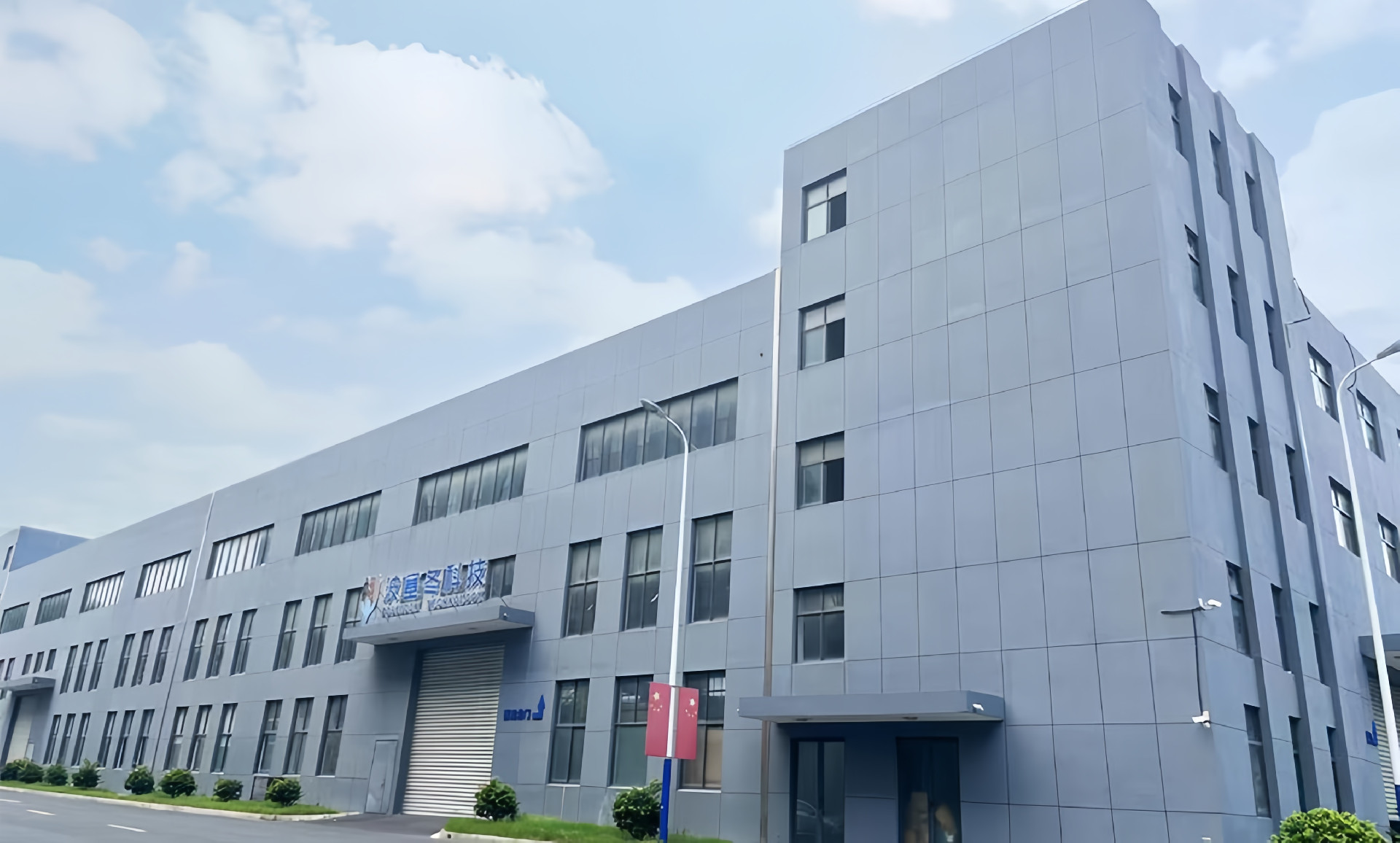
Contact Us Today:
• Email: mailto:suki@poseidonmbr.com
• Phone: +86 151 5208 3573
• Website: https://poseidonmbr.com
Poseidon MBR – Where Innovation Meets Purity.
CATEGORIES
LATEST NEWS
CONTACT US
Contact: 郑女士
Phone: +86-15152083573
Tel: +86-15152083573
Email: suki@poseidonmbr.com
Add: No. 90, Gangqu Middle Road, Xinbei District, Changzhou City, Jiangsu Province